


A comprehensive progress report on its water and sanitation infrastructure recovery programme was presented to the Director-General of the Western Cape Province, HOD for the Provincial Department of Local Government, and other stakeholders during the Strengthened Section 154 Steering Committee meeting on the 9th of July. The presentation highlighted the significant progress made on priority interventions aimed at improving water security, wastewater management and long-term service delivery across the Greater Knysna municipal area.
Acting Municipal Manager Manqoba Ngubo said the programme, undertaken in partnership with the national and provincial spheres of government, forms part of the municipality’s strengthened Section 154 support process to accelerate critical infrastructure interventions and restore resilience across Knysna’s water and sanitation systems.
“Recent claims suggesting Knysna remains among a list of 75 failed municipalities are based on outdated information that does not reflect the progress made through the current recovery programme. “The latest national report, based on the Auditor-General outcomes, identifies only three municipalities in the Western Cape facing the most severe governance and audit challenges, with Knysna not included among them. While the municipality acknowledges that significant work remains, it is equally important that public commentary reflects the substantial progress achieved through ongoing governance reforms, infrastructure investment and the strengthened Section 154 support process.”
“Over the past several months, the municipality has made measurable progress across a number of key infrastructure projects.
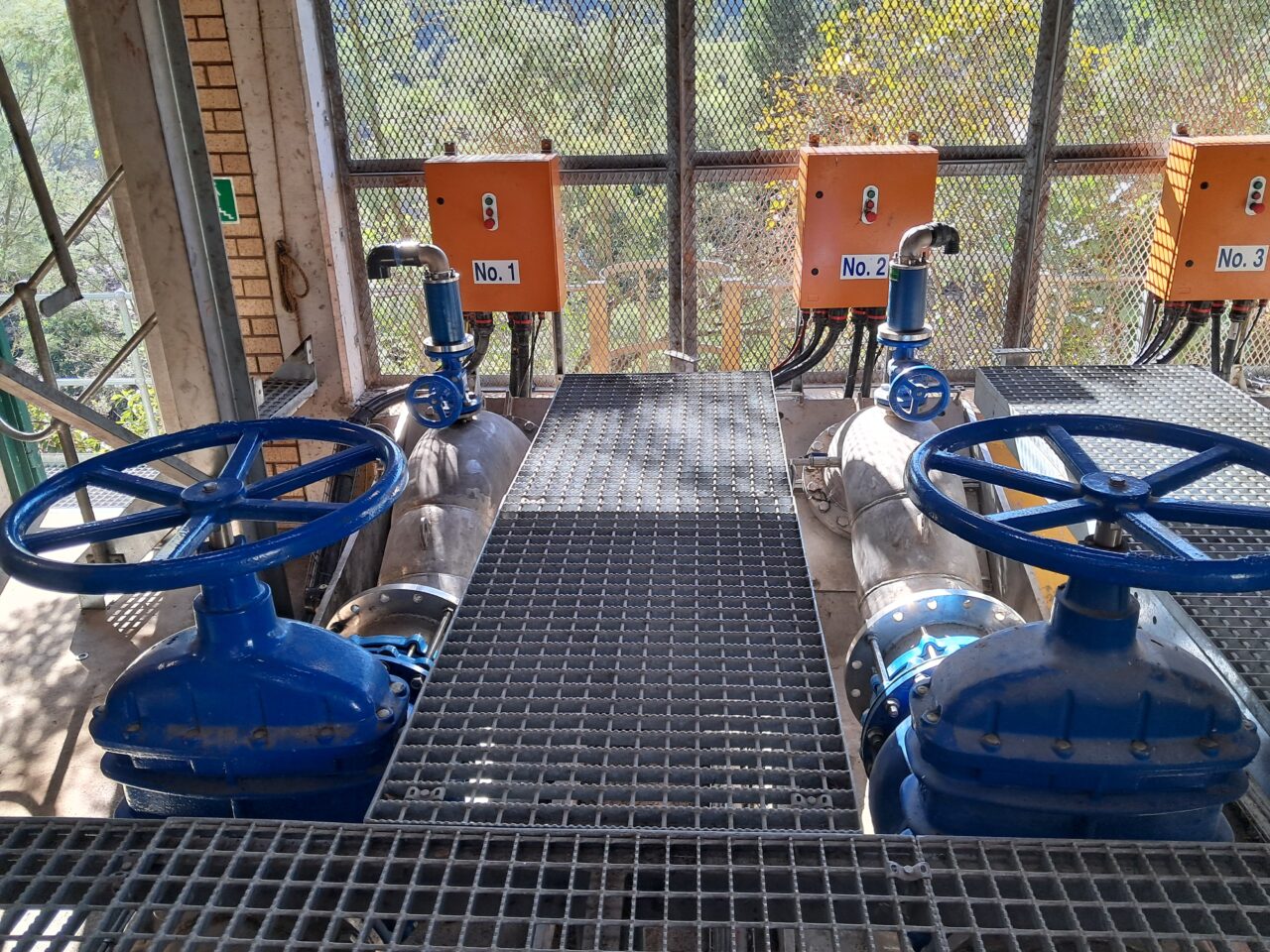
Critical pumping infrastructure supplying the municipal water network has largely been restored. The Charlesford Pump Station is once again delivering water through two operational pumps, while Akkerkloof, Eastford and Gouna pump stations are fully operational. Work continues to further increase pumping capacity at Akkerkloof, while improvements at the Glebe Pump Station remain on schedule, including planned filtration upgrades and longer-term electrical improvements.
The municipality has also completed the installation of the first 1,000 conventional water meters as part of its water demand management programme. The next phase will focus on reconciling consumption data with the municipal financial system before the rollout of approximately 7,000 additional meters, subject to Council approval. This initiative will strengthen water management, improve billing accuracy and assist with reducing water losses.”
Ngubo highlighted the significant progress made in expanding alternative water sources. “The rehabilitation of existing emergency boreholes has been completed, while six additional boreholes have been approved for development. Environmental screening is scheduled to commence before drilling begins. Progress is also being made with the Bongani and Bigai spring developments, the Glebe pipeline installation and planning for the rehabilitation of the Arch Dam borehole cluster.
At the same time, preparations continue for the installation of bulk and zonal meters, telemetry upgrades, the replacement of air and flush valves, wastewater treatment works upgrades, the replacement of the Khayalethu sewer bridge crossing and the procurement of longer-term contracts for the repair and installation of water and sewer pumps. These projects will strengthen both the municipality’s water distribution and wastewater management systems over the medium to long term.”
“Progress reports presented to the Steering Committee reflects the progress made by the municipality’s recovery programme.
Today’s presentation reflects the commitment of the municipality, with the assistance of our provincial and national partners, to address longstanding infrastructure challenges. While important work still lies ahead, we are encouraged by the tangible progress already achieved across a number of projects that will strengthen both our water supply and sanitation systems.”
Ngubo said residents would increasingly begin to see the benefits of the interventions as projects reached completion.
“Infrastructure recovery is a process, not an event. Every completed project improves the resilience of our network and strengthens our ability to deliver reliable services. We remain focused on implementing sustainable solutions that will benefit our communities for many years to come.”